Warwick Valley Veterinary Hospital

75 Belcher Road

Warwick, NY 10990 US

845-986-5678

Open mobile navigation
  • Home
  • New Patient Center
    • Online Forms
    • What to Expect
    • Veterinary Resources
    • Payment Options
  • About Us
    • Meet Our Team
    • Services
    • Virtual Office Tour
  • Contact Us
  • Pet Corner
  • Emergencies
  • Rebates and Rewards
  • Online Pharmacy
  • Veterinary Topics
    • Pet Health
      • Chronic Conditions
      • Digestive and Oral Health
      • Diseases and Viruses
      • Pests and Parasites
      • Orthopedics
    • Today's Veterinarian
    • Choosing Your Pet
      • Cats
      • Dogs
    • Living With Your Pet
      • Bringing Your Pet Home
      • Children and Pets
      • Providing Care
      • Travel
      • Saying Goodbye
    • Newsletter Library
      • Cats
      • Tips for Pet Owners
      • Behavior & Training
      • Fleas & Parasites
      • Keeping Pets Healthy
      • Recognizing Illness
      • Nutrition & Food
      • Pet Dangers
      • Seasonal Topics
      • Visiting the Vet
      • Newsletter Archive
        • Fun with Pets
        • Unbelievable Pets
    • Video Newsroom
      • Health Topics
      • Technology and Science
      • Other Interests
  • Careers
  • Home >
  • Articles >
  • Newsletter Library >
  • Cats >
  • Do Cats Really Love Milk?

Do Cats Really Love Milk?

  • Created in Newsletter Library, Cats
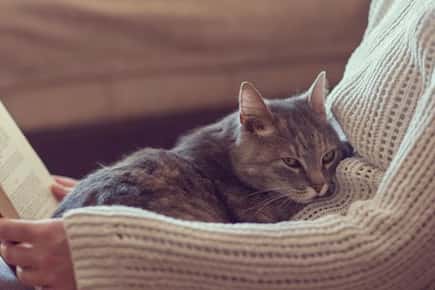
image of a cat.

Cats, unlike dogs, are true carnivores which means they thrive on meat only diets and require no vegetable, grain, or dairy supplementation. Cows milk is not recommended for cats because it can be too rich for their digestive systems. This is because most cats can't digest milk properly because it contains lactose and most cats are lactose intolerant. The proteins in cow milk are too large for cats to properly digest which can cause intestinal upset, diarrhea, and vomiting.

Kittens especially can have difficulty digesting milk. There are other things that you can provide for your cat which are healthier. For young kittens that have been separated from their mothers before the age of weaning, try kitten milk subsititute. Recently, special new lactose-free milk has been developed and is now sold at pet food stores and most large pet supply stores. It is formulated to contain the same vitamins as the mother's milk and is gentle on kittens' digestive systems. These specially formulated kitty "milks" do not have cow's milk in them and are treated with the enzyme lactase to break down the milk sugar and make it digestible. Please consider looking for one of these the next time you would like to treat your kitty with milk.

Not all cats react badly to milk, but it is better be on the safe side. Generally speaking, milk is not recommended for cats, however, some experts advise that cream is better than regular milk if you must give it to your cat, most likely because cream has less lactose than whole or skim milk.

Essential to a cat's health is plenty of clean water. Change your cat's water dish regularly and keep it within easy reach.

  • Pet Health
    • Chronic Conditions
    • Digestive and Oral Health
    • Diseases and Viruses
    • Pests and Parasites
    • Orthopedics
  • Today's Veterinarian
  • Choosing Your Pet
    • Cats
    • Dogs
  • Living With Your Pet
    • Bringing Your Pet Home
    • Children and Pets
    • Providing Care
    • Travel
    • Saying Goodbye
  • Newsletter Library
    • Cats
    • Tips for Pet Owners
    • Behavior & Training
    • Fleas & Parasites
    • Keeping Pets Healthy
    • Recognizing Illness
    • Nutrition & Food
    • Pet Dangers
    • Seasonal Topics
    • Visiting the Vet
    • Newsletter Archive
      • Fun with Pets
      • Unbelievable Pets
  • Video Newsroom
    • Health Topics
    • Technology and Science
    • Other Interests


After Hours Emergency

Guardian Veterinary Emergency is open and ready to help. The clinic is equipped with on site laboratory instruments and x-ray facilities. Located in Middletown on route 211, opposite the Galleria. Their phone number is 845-692-0260

Featured Articles

Read about interesting topics

    March Newsletter: How to Keep Your Cat Safe When Outdoors

    Wondering how your cat can safely spend time outdoors? ...

    Read More

    March Newsletter: How to Choose Safe Blankets for Pets

    Do you know how to pick a safe blanket for your pet? ...

    Read More

    February Newsletter: How to Reduce Dental Anxiety in Pets

    Does your pet hate toothbrushing? These tips could reduce dental anxiety. ...

    Read More

    February Newsletter: How to Safely Change Your Cat’s Food

    Buying a new food for your cat? Find out how to switch foods safely. ...

    Read More

    January Newsletter: Signs Your Pet Needs a Wellness Exam

    Does your pet need a wellness exam? ...

    Read More

    January Newsletter: How Your Veterinarian Can Help If Your Pet Ingests Something Toxic

    Has your pet eaten something it shouldn't have? Find out how your vet can help. ...

    Read More

    December Newsletter: Signs Your Pet Needs a Professional Cleaning

    Do you know when your pet needs a professional cleaning? ...

    Read More

    December Newsletter: Simple Ways to Keep Your Home Flea-Free for Your Pet’s Well-being

    Never want to see another flea again? Try these tips for a flea-free home. ...

    Read More

    November Newsletter: The Importance of Bloodwork for Your Pet’s Health

    Wondering if your pet really needs bloodwork? Find out the benefits of blood tests for your furry friend. ...

    Read More

    November Newsletter: Turkey Day Tips for Pet Owners

    Don't forget about your pet when making Turkey Day preparations. ...

    Read More

Connect With Us

  • Copyright © 2026 MH Sub I, LLC dba iMatrix.
  • Admin Log In
  • Site Map