Warwick Valley Veterinary Hospital

75 Belcher Road

Warwick, NY 10990 US

845-986-5678

Open mobile navigation
  • Home
  • New Patient Center
    • Online Forms
    • What to Expect
    • Veterinary Resources
    • Payment Options
  • About Us
    • Meet Our Team
    • Services
    • Virtual Office Tour
  • Contact Us
  • Pet Corner
  • Emergencies
  • Rebates and Rewards
  • Online Pharmacy
  • Veterinary Topics
    • Pet Health
      • Chronic Conditions
      • Digestive and Oral Health
      • Diseases and Viruses
      • Pests and Parasites
      • Orthopedics
    • Today's Veterinarian
    • Choosing Your Pet
      • Cats
      • Dogs
    • Living With Your Pet
      • Bringing Your Pet Home
      • Children and Pets
      • Providing Care
      • Travel
      • Saying Goodbye
    • Newsletter Library
      • Cats
      • Tips for Pet Owners
      • Behavior & Training
      • Fleas & Parasites
      • Keeping Pets Healthy
      • Recognizing Illness
      • Nutrition & Food
      • Pet Dangers
      • Seasonal Topics
      • Visiting the Vet
      • Newsletter Archive
        • Fun with Pets
        • Unbelievable Pets
    • Video Newsroom
      • Health Topics
      • Technology and Science
      • Other Interests
  • Careers
  • Home >
  • Articles >
  • Newsletter Library >
  • Nutrition & Food >
  • A Guide to Pet Nutrition

A Guide to Pet Nutrition

  • Created in Newsletter Library, Nutrition & Food
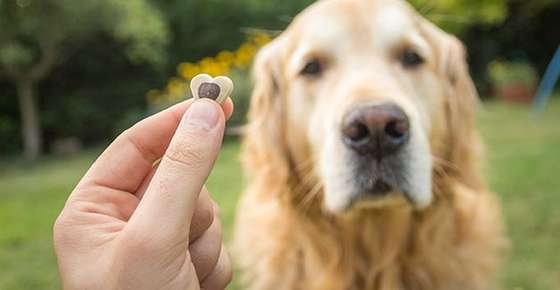
Image of a dog getting a treat.

In 2007, several million bags of pet food were recalled in the United States due to contamination. Though some of the recalls were done by the manufacturers voluntarily to "be safe," some of the recalled food was found to have contaminated vegetable proteins. Several pets unfortunately died, and even more were hospitalized.

After millions of horrified pet owners were told by major pet food manufacturers that it was safe to feed their food once again, many pet owners were left with many unanswered questions including "what am I really putting in my dog's bowl every day?"

Learn to read pet food labels. Look over the ingredients to see what is in the bag you intend to feed your pet. You should see quality ingredients listed first. The higher the item on the list, the more prevalent it is in the food, (i.e. the first ingredient is the largest ingredient while the last few ingredients on the list may only be in trace amounts). The first few items on the list should include meats, vegetables and some whole grains.

Select the right type of food for your pet's stage in life. Puppy formulas are necessary for the growing pooch, while adult formula is for the mature dog. If a puppy is fed a food meant for an adult dog, they will not be eating the right amount of nutrients to sustain the rapid growth of the small dog's body. Senior formula foods are meant to provide proper nutrition to older dogs whose needs are different than puppies and adult dogs.

Switch your dog's food to a new brand slowly. Unlike humans who can eat a variety of different foods in one day, dogs can become ill when their regular pet food is replaced with a new brand of food. To switch your dog to a new food you should plan on continuing their current food and gradually add in the new food while decreasing the old.

Satisfy the carnivore in your dog. Dogs by nature are carnivores and depend on the protein found in meats such as chicken, beef, fish, and poultry to maintain protein levels. Proteins in the body replace dead tissue and repair injured tissue.

While whole grains are also healthy in smaller doses, they should not be in the top 4 or 5 ingredient spaces. Instead, meats such as chicken and fish or chicken and beef, or lamb and beef, should be the forerunners on the ingredient list.

Take it easy on the treats. While you can be feeding Fido the healthiest pet food available, feeding lots of treats and human (food such as table scraps) will void the good you have done by selecting a balanced food. Our dogs rely on us to feed them properly. Many of us feel guilty if we don't share our table scraps with man's best friend when in the end we are only doing them harm.

While the government and large pet food manufacturing companies are working to prevent future recalls, pet owners should strive to continue to feed their pets the healthiest food available to them.

  • Pet Health
    • Chronic Conditions
    • Digestive and Oral Health
    • Diseases and Viruses
    • Pests and Parasites
    • Orthopedics
  • Today's Veterinarian
  • Choosing Your Pet
    • Cats
    • Dogs
  • Living With Your Pet
    • Bringing Your Pet Home
    • Children and Pets
    • Providing Care
    • Travel
    • Saying Goodbye
  • Newsletter Library
    • Cats
    • Tips for Pet Owners
    • Behavior & Training
    • Fleas & Parasites
    • Keeping Pets Healthy
    • Recognizing Illness
    • Nutrition & Food
    • Pet Dangers
    • Seasonal Topics
    • Visiting the Vet
    • Newsletter Archive
      • Fun with Pets
      • Unbelievable Pets
  • Video Newsroom
    • Health Topics
    • Technology and Science
    • Other Interests


After Hours Emergency

Guardian Veterinary Emergency is open and ready to help. The clinic is equipped with on site laboratory instruments and x-ray facilities. Located in Middletown on route 211, opposite the Galleria. Their phone number is 845-692-0260

Featured Articles

Read about interesting topics

    March Newsletter: How to Keep Your Cat Safe When Outdoors

    Wondering how your cat can safely spend time outdoors? ...

    Read More

    March Newsletter: How to Choose Safe Blankets for Pets

    Do you know how to pick a safe blanket for your pet? ...

    Read More

    February Newsletter: How to Reduce Dental Anxiety in Pets

    Does your pet hate toothbrushing? These tips could reduce dental anxiety. ...

    Read More

    February Newsletter: How to Safely Change Your Cat’s Food

    Buying a new food for your cat? Find out how to switch foods safely. ...

    Read More

    January Newsletter: Signs Your Pet Needs a Wellness Exam

    Does your pet need a wellness exam? ...

    Read More

    January Newsletter: How Your Veterinarian Can Help If Your Pet Ingests Something Toxic

    Has your pet eaten something it shouldn't have? Find out how your vet can help. ...

    Read More

    December Newsletter: Signs Your Pet Needs a Professional Cleaning

    Do you know when your pet needs a professional cleaning? ...

    Read More

    December Newsletter: Simple Ways to Keep Your Home Flea-Free for Your Pet’s Well-being

    Never want to see another flea again? Try these tips for a flea-free home. ...

    Read More

    November Newsletter: The Importance of Bloodwork for Your Pet’s Health

    Wondering if your pet really needs bloodwork? Find out the benefits of blood tests for your furry friend. ...

    Read More

    November Newsletter: Turkey Day Tips for Pet Owners

    Don't forget about your pet when making Turkey Day preparations. ...

    Read More

Connect With Us

  • Copyright © 2026 MH Sub I, LLC dba iMatrix.
  • Admin Log In
  • Site Map