Warwick Valley Veterinary Hospital

75 Belcher Road

Warwick, NY 10990 US

845-986-5678

Open mobile navigation
  • Home
  • New Patient Center
    • Online Forms
    • What to Expect
    • Veterinary Resources
    • Payment Options
  • About Us
    • Meet Our Team
    • Services
    • Virtual Office Tour
  • Contact Us
  • Pet Corner
  • Emergencies
  • Rebates and Rewards
  • Online Pharmacy
  • Veterinary Topics
    • Pet Health
      • Chronic Conditions
      • Digestive and Oral Health
      • Diseases and Viruses
      • Pests and Parasites
      • Orthopedics
    • Today's Veterinarian
    • Choosing Your Pet
      • Cats
      • Dogs
    • Living With Your Pet
      • Bringing Your Pet Home
      • Children and Pets
      • Providing Care
      • Travel
      • Saying Goodbye
    • Newsletter Library
      • Cats
      • Tips for Pet Owners
      • Behavior & Training
      • Fleas & Parasites
      • Keeping Pets Healthy
      • Recognizing Illness
      • Nutrition & Food
      • Pet Dangers
      • Seasonal Topics
      • Visiting the Vet
      • Newsletter Archive
        • Fun with Pets
        • Unbelievable Pets
    • Video Newsroom
      • Health Topics
      • Technology and Science
      • Other Interests
  • Careers
  • Home >
  • Articles >
  • Pet Health >
  • Orthopedics >
  • Luxating Patella

Luxating Patella

  • Created in Pet Health, Orthopedics

luxating patella

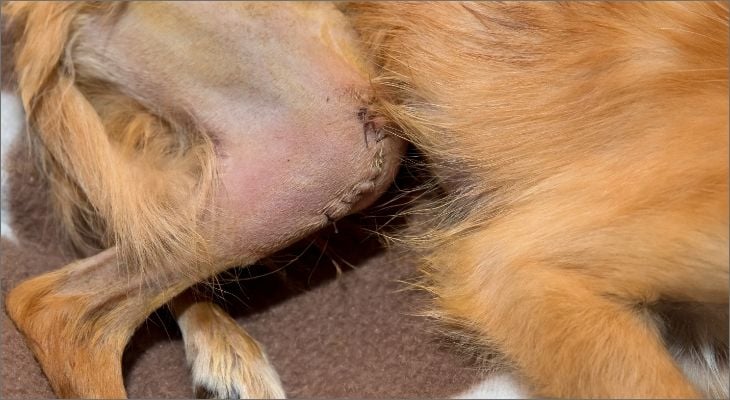
Luxating patella is a condition where the kneecap (patella) moves out of its normal position. Luxating patella is one of the most common knee joint abnormalities of dogs, but it is only occasionally seen in cats. It may affect one or both of the knees. In some cases it moves (luxates) towards the inside of the knee, and in other cases it luxates towards the outside of the knee. Luxation to the inside of the knee is the most common form seen; it is most commonly seen in the small or miniature breeds of dogs such as Poodles, Maltese, Yorkies, and Chihuahuas. Luxations towards the outside of the knee are seen less frequently. It can be present in many breeds, but is seen especially in Newfoundlands.

There are four grades of patellar luxation:

  • Grade I- the kneecap can be manually luxated but the kneecap returns to its normal position when the pressure is released.
  • Grade II- the kneecap can spontaneously luxate out of position with just normal movement of the knee.
  • Grade III- the kneecap remains luxated most of the time but can be manually reduced into the normal position.
  • Grade IV- the patella is permanently luxated and can not be manually repositioned

Dogs frequently start with a Grade I or Grade II and worsen over time to a Grade III or IV. Many people are not aware their pet is affected, but a luxating patella can cause pain. Owners may see the pet limp on a rear leg, or they may see them shake a rear leg to try to snap the kneecap back into place.

A serious consequence of patellar luxation is that it predisposes the dog to a rupture of a ligament inside the knee called the anterior cruciate ligament (ACL). ACL ruptures are very painful, at least initially, and usually the dog doesn't bear weight on the affected leg. Surgery is indicated for any case that is causing lameness or pain. Owners may also elect corrective surgery as a way to prevent an ACL.

  • Pet Health
    • Chronic Conditions
    • Digestive and Oral Health
    • Diseases and Viruses
    • Pests and Parasites
    • Orthopedics
  • Today's Veterinarian
  • Choosing Your Pet
    • Cats
    • Dogs
  • Living With Your Pet
    • Bringing Your Pet Home
    • Children and Pets
    • Providing Care
    • Travel
    • Saying Goodbye
  • Newsletter Library
    • Cats
    • Tips for Pet Owners
    • Behavior & Training
    • Fleas & Parasites
    • Keeping Pets Healthy
    • Recognizing Illness
    • Nutrition & Food
    • Pet Dangers
    • Seasonal Topics
    • Visiting the Vet
    • Newsletter Archive
      • Fun with Pets
      • Unbelievable Pets
  • Video Newsroom
    • Health Topics
    • Technology and Science
    • Other Interests


After Hours Emergency

Guardian Veterinary Emergency is open and ready to help. The clinic is equipped with on site laboratory instruments and x-ray facilities. Located in Middletown on route 211, opposite the Galleria. Their phone number is 845-692-0260

Featured Articles

Read about interesting topics

    March Newsletter: How to Keep Your Cat Safe When Outdoors

    Wondering how your cat can safely spend time outdoors? ...

    Read More

    March Newsletter: How to Choose Safe Blankets for Pets

    Do you know how to pick a safe blanket for your pet? ...

    Read More

    February Newsletter: How to Reduce Dental Anxiety in Pets

    Does your pet hate toothbrushing? These tips could reduce dental anxiety. ...

    Read More

    February Newsletter: How to Safely Change Your Cat’s Food

    Buying a new food for your cat? Find out how to switch foods safely. ...

    Read More

    January Newsletter: Signs Your Pet Needs a Wellness Exam

    Does your pet need a wellness exam? ...

    Read More

    January Newsletter: How Your Veterinarian Can Help If Your Pet Ingests Something Toxic

    Has your pet eaten something it shouldn't have? Find out how your vet can help. ...

    Read More

    December Newsletter: Signs Your Pet Needs a Professional Cleaning

    Do you know when your pet needs a professional cleaning? ...

    Read More

    December Newsletter: Simple Ways to Keep Your Home Flea-Free for Your Pet’s Well-being

    Never want to see another flea again? Try these tips for a flea-free home. ...

    Read More

    November Newsletter: The Importance of Bloodwork for Your Pet’s Health

    Wondering if your pet really needs bloodwork? Find out the benefits of blood tests for your furry friend. ...

    Read More

    November Newsletter: Turkey Day Tips for Pet Owners

    Don't forget about your pet when making Turkey Day preparations. ...

    Read More

Connect With Us

  • Copyright © 2026 MH Sub I, LLC dba iMatrix.
  • Admin Log In
  • Site Map